Recovered

Polymer.

We turn recovered material from our coastal collection and processing system into polymers with a wide range of applications.

Recovered polymer doesn't lose what makes it useful. HDPE and PP collected from Costa Rica's Pacific coast carry the same properties as virgin material: lightweight, durable, and processable at scale. The difference is where they started.

HDPE and polypropylene are thermoplastics. They can be melted and re-formed multiple times without significant chemical change. That's what makes them worth recovering. The properties that made them useful the first time are still there the second time.

← Back to Polymer
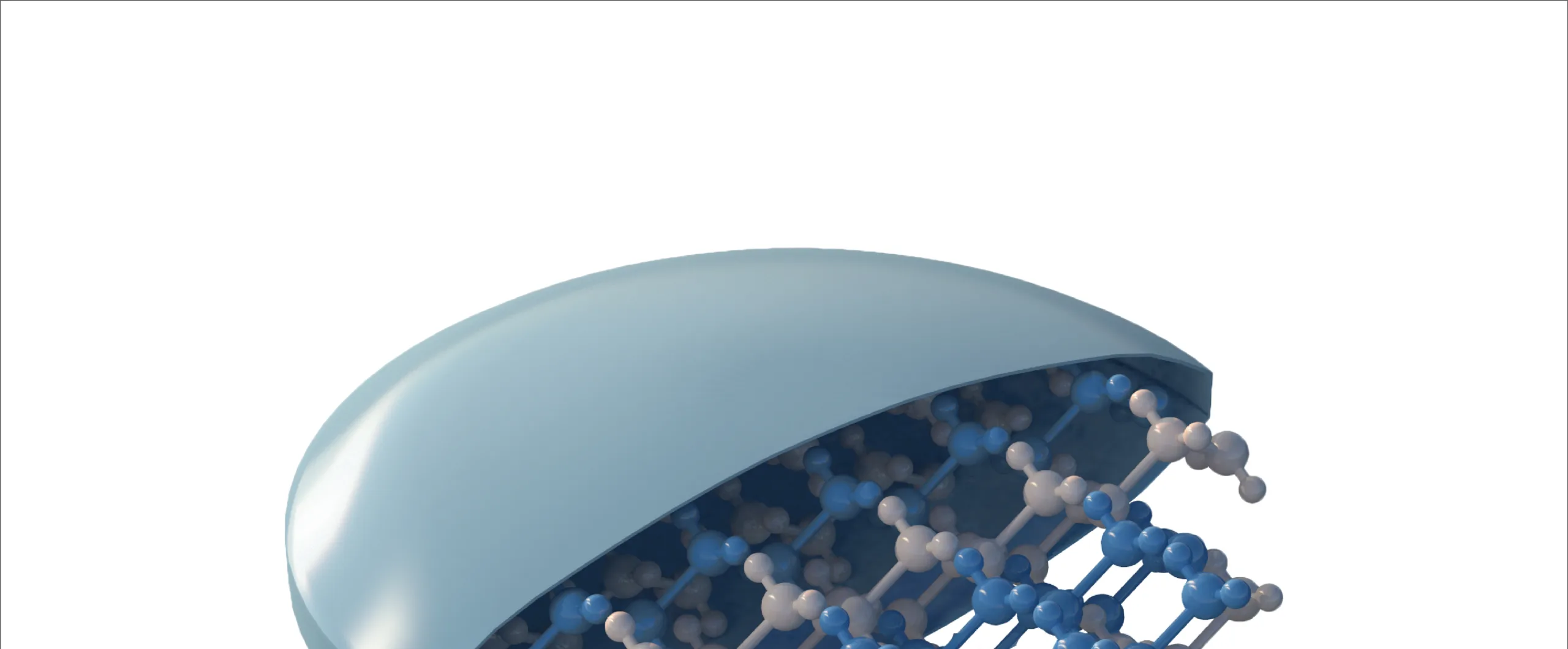
Recovered polymer, molecular structure of recycled HDPE and polypropylene

Where It's Used

Built Into
Durable Parts.

Automotive Components

Bumpers, interior trims, underbody panels, and modules. HDPE and PP have decades of verified performance history in these applications.

Electronic Housings

Enclosures that need dimensional stability, chemical resistance, and electrical insulation. Both materials carry those properties consistently across production runs.

Durable Goods

Tools, equipment, and furniture components engineered for long service life with minimal maintenance.

01

Collect

Material recovered from Costa Rica's Pacific coast through BIONIC's collection network.

02

Sort

Incoming material identified and separated by polymer type: HDPE, PP, rPET.

03

Process

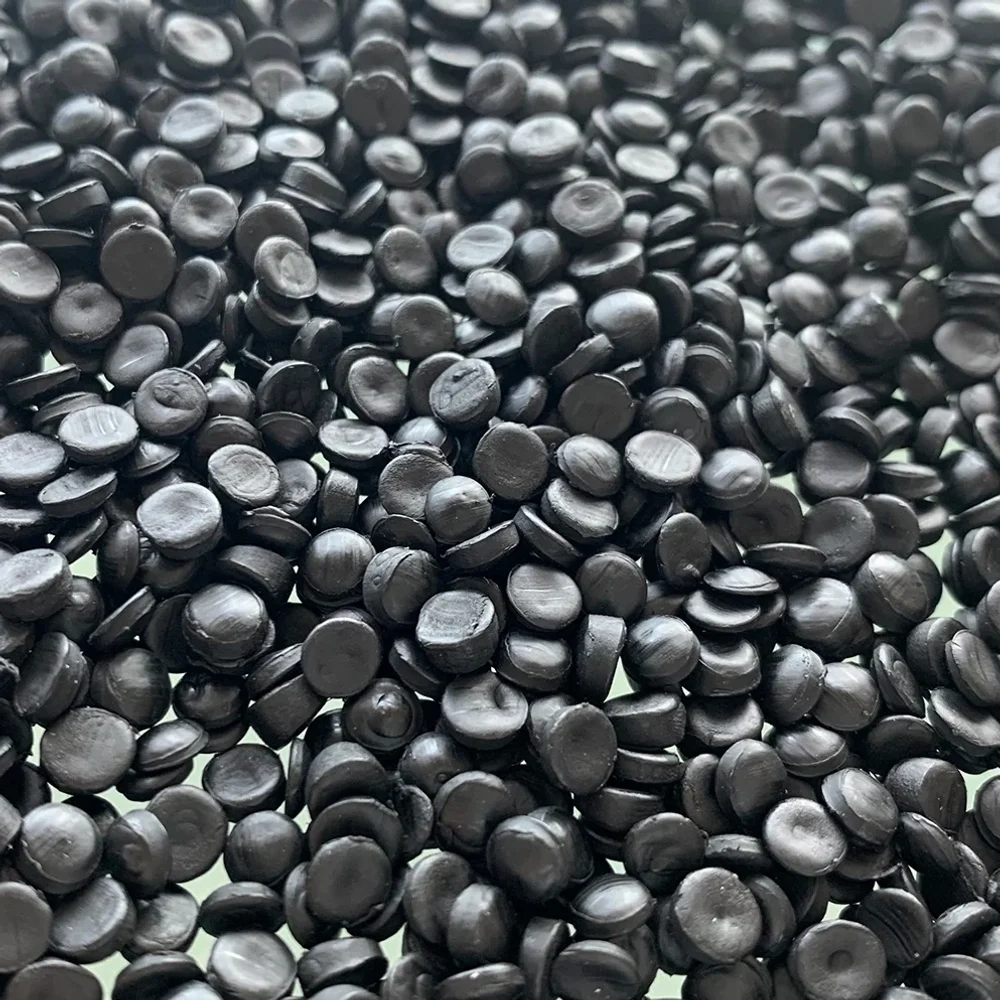
Cleaned, melted, and extruded into pellets. Same processing infrastructure as virgin feedstock.

04

Supply

Ready-to-use pellets and compounds shipped to manufacturing at production specification.

What It Is

Recovered Coastal
Material, Rebuilt.

The same recovery infrastructure behind FLX™, in pellet and compound form.

HDPE is a high-density polyethylene with high tensile strength, excellent chemical resistance, and a service temperature range from -50°C to well above ambient. It absorbs water at one of the lowest rates of any structural polymer. Polypropylene brings high impact strength, low density, and good fatigue resistance. It is one of the most widely used thermoplastics in manufacturing for exactly those reasons.

Recovered from BIONIC's coastal collection system, these materials go through the same processing infrastructure as virgin feedstock. Injection molding for structural components, extrusion for profiles and sheet stock, blow molding for hollow containers. The origin is different. The output specifications are the same.

Recovered HDPE pellets, ready for compounding

Input

Recovered HDPE · Polypropylene

Source

Coastal Collection System (Costa Rica)

Output

Pellets · Compounds

Related

FLX™ →