The Fabric Library
Recovered Fiber.
Woven to Perform.
Fabrics shown are physical FLX™ swatches. Composition and weight are representative. Request lab data for specification.
- Composition
- Weight
- Colorway
- Construction
The Fabric Library
Fabrics shown are physical FLX™ swatches. Composition and weight are representative. Request lab data for specification.
What FLX Is
Most recovered material is downcycled into something that asks to be forgiven for what it was. FLX is not. The recovered input is cleaned, sorted, and restructured into a feedstock with consistent, certifiable performance: tensile strength, denier, and finish that hold across production runs.
The result is a material a product developer can spec with confidence and a sustainability officer can stand behind, recovered at the coast, engineered for the field.
FLX™ takes recovered coastal material and rebuilds it into fiber that holds up, time after time.
Recovered → Engineered → Performance
Scroll to follow the structure tightening from recovered input into engineered fiber.
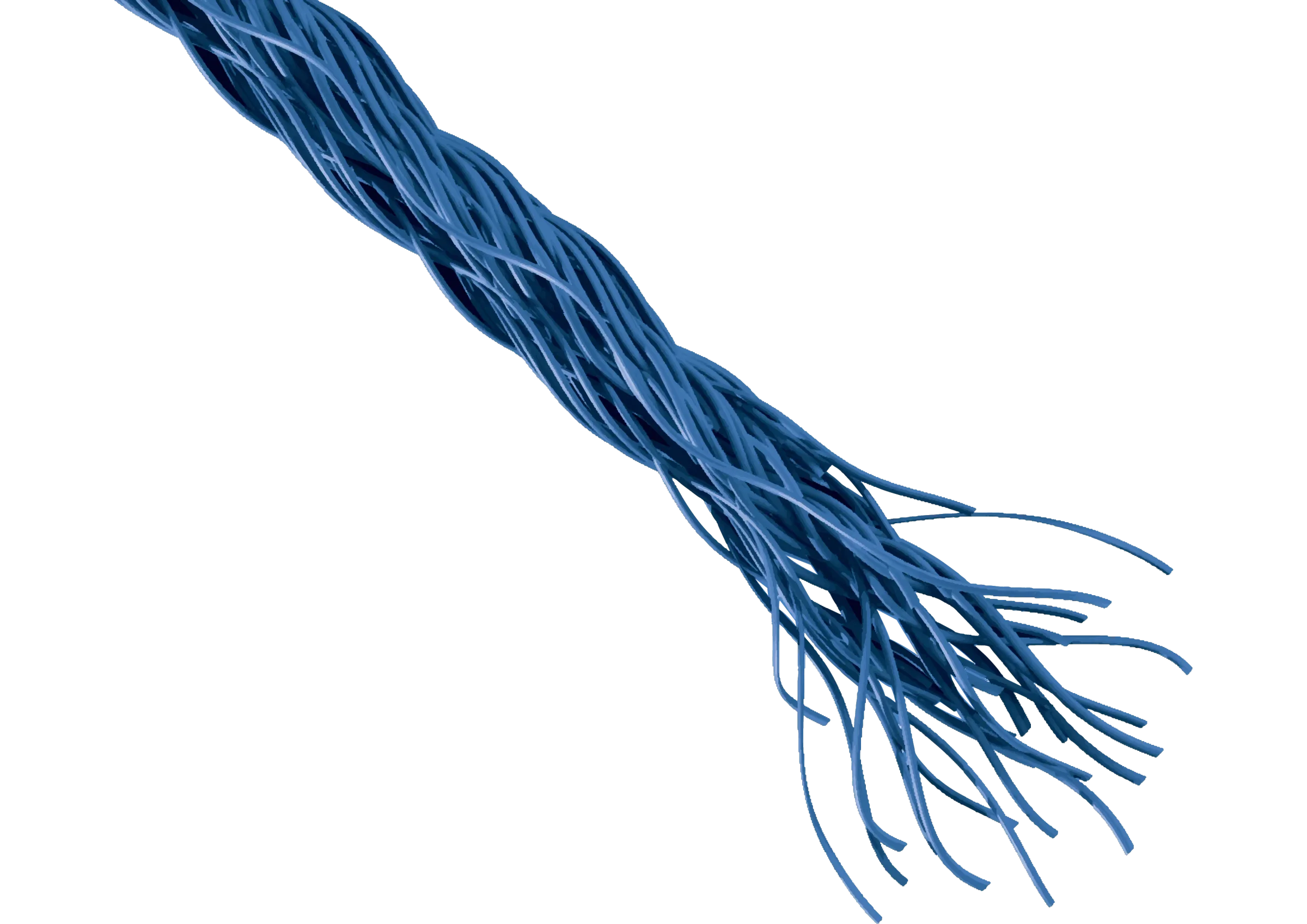
rPET recovered from coastal communities and at-risk waterways, sorted at source with certifiable chain of custody.
Cleaned and reprocessed into consistent-grade fiber, the molecular structure rebuilt, not merely re-melted.
Extruded and drawn to target denier and tenacity, then twisted into filament that holds spec across production runs.
Knit and woven into finished fabric for the field, recovered at the coast, engineered for performance.
Tensile Tenacity
Denier
Recovered Input
Recovered Single-Use Containers
Technical Specification
Representative properties. Full datasheet and certifications available on request.